In Short
- Most people with Parkinson’s disease are treated without surgery, using medication such as levodopa, exercise, physiotherapy and other rehabilitation.
- There is currently no cure for Parkinson’s, but symptoms can often be well managed for many years with regular neurologist follow-up.
- Non-invasive brain stimulation such as rTMS may give modest short-term motor improvement, but evidence is limited; it is an add-on, not a replacement.
- Deep brain stimulation (DBS) is surgery with implanted electrodes, reserved for selected patients when medication no longer gives steady control.
A diagnosis of Parkinson’s disease often raises an immediate question: will I need brain surgery? For most people, the answer is no. Non-surgical Parkinson’s treatment — mainly medication, exercise and rehabilitation — is the foundation of care for years, and newer non-invasive brain stimulation techniques are being studied as add-on options. This guide explains the condition, standard care, the current evidence for stimulation, and how it compares with surgical deep brain stimulation (DBS).
What is Parkinson’s disease?
Parkinson’s is a progressive neurological condition in which nerve cells that produce dopamine, a chemical messenger involved in controlling movement, gradually decline. It usually begins after the age of 50, although younger onset occurs. Progression is typically slow and differs greatly from one person to another. While there is currently no cure, many people live active, fulfilling lives for many years with good treatment.
Symptoms: more than a tremor
The best-known motor symptoms are:
- Tremor, typically at rest and often starting in one hand
- Slowness of movement (bradykinesia), such as smaller handwriting or difficulty with buttons
- Muscle stiffness (rigidity)
- Balance and walking changes, including shuffling steps or “freezing”
Non-motor symptoms are equally important and sometimes appear years earlier: reduced sense of smell, constipation, acting out dreams during sleep, low mood or anxiety, fatigue, and changes in thinking or memory.
Not every tremor is Parkinson’s
Many people searching for tremor treatment actually have essential tremor, a different and common condition in which shaking appears mainly during movement — for example when holding a cup or writing — rather than at rest. Tremor can also be caused by thyroid problems, caffeine, anxiety or some medicines. Because treatment differs, an accurate diagnosis by a doctor is the essential first step.
Standard non-surgical treatment
- Medication: levodopa and other dopamine-related medicines remain the most effective treatments for motor symptoms. Doses are adjusted over time, so regular follow-up with a neurologist matters
- Exercise: regular aerobic activity, strength and balance work are strongly encouraged and may help mobility and wellbeing
- Physiotherapy: for walking, posture, balance and fall prevention
- Occupational therapy: practical strategies for daily tasks at home and work
- Speech and swallowing therapy, when voice becomes soft or swallowing is affected
- Support for mood, sleep and memory, which are a key part of quality of life
Non-invasive brain stimulation as an add-on
Non-invasive brain stimulation uses magnetic or mild electrical energy applied from outside the head to influence activity in brain networks. The most studied technique in Parkinson’s is repetitive transcranial magnetic stimulation (rTMS); transcranial direct current stimulation (tDCS) is also being researched.
Several meta-analyses of controlled trials suggest that rTMS may produce small to moderate short-term improvements in motor symptoms compared with sham stimulation, and it has also been studied for depression in Parkinson’s. However, most trials are small, protocols vary, and the long-term benefit is not yet established. Researchers describe it as a possible adjunctive therapy — meaning it is used alongside medication and rehabilitation, never instead of them.
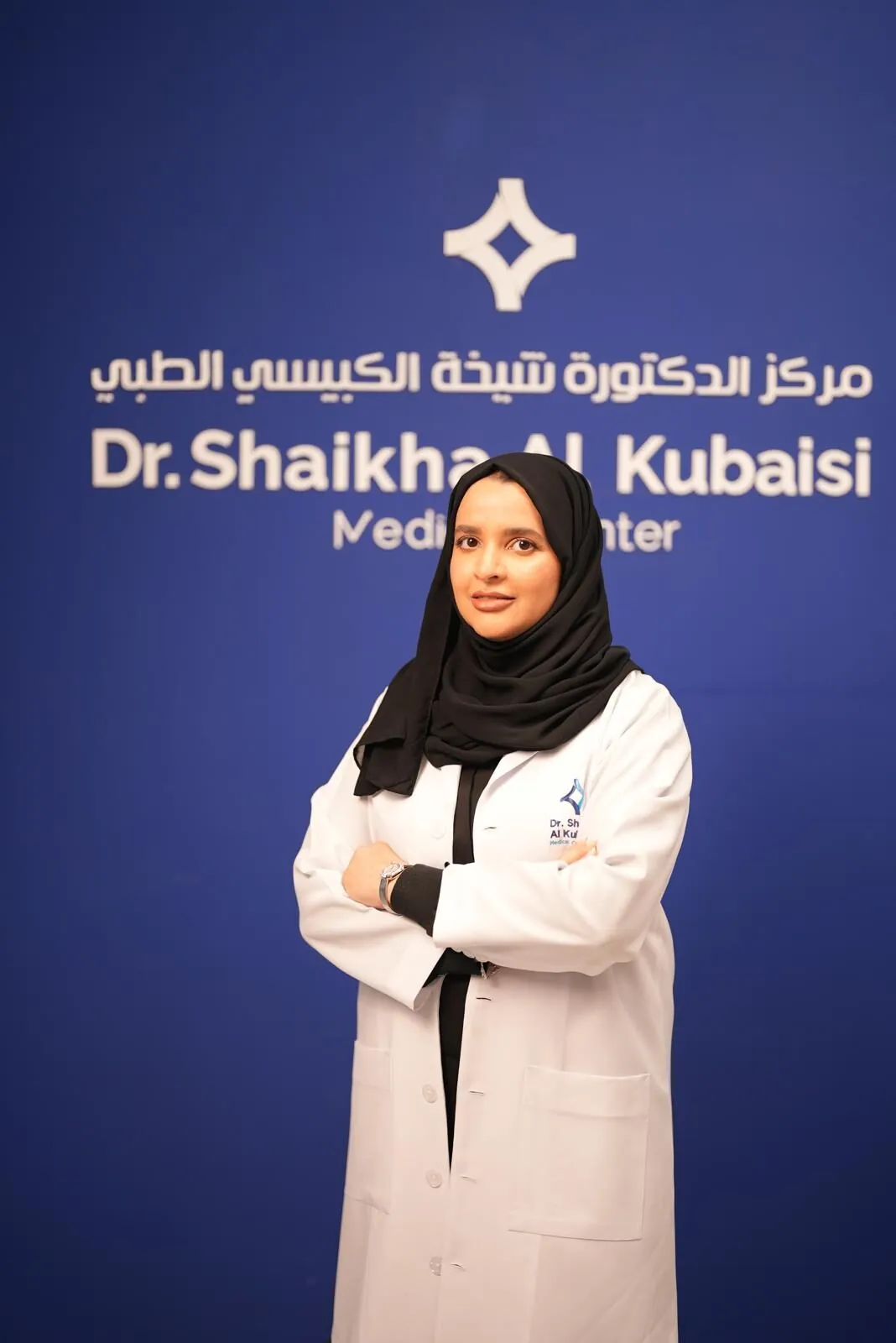
At our brain & nerve unit, consultant Dr. Aisha Alkubaisi offers non-surgical neurostimulation using SOZO technology as a complementary option for selected patients with Parkinson’s and other neurological conditions. Our team can assess what is suitable for you in coordination with your neurologist.
How does this compare with DBS?
Deep brain stimulation (DBS) is a surgical treatment in which thin electrodes are implanted in specific deep brain areas and connected to a pacemaker-like device under the skin. It is well established for selected patients, particularly those with motor fluctuations or troublesome tremor that medication no longer controls well. Because it involves surgery, it requires careful assessment by a specialist movement-disorder team.
Non-invasive stimulation is different: there is no implant, no anaesthesia and no incision, but its effects are generally milder and less durable, and the evidence base is smaller. The two are not interchangeable. For some people, non-invasive options may be considered at earlier stages or alongside medication; for others, a referral to discuss DBS is the right step.
What to expect
Your consultation reviews your diagnosis, medication schedule, main symptoms and goals. Bring a list of your medicines and timings. If neurostimulation is considered appropriate, sessions are non-invasive and you remain awake. Changes, if any, tend to be gradual, and progress is reviewed regularly together with your treating neurologist.
When to see a doctor
See a doctor if you notice a new tremor, slowness, stiffness, changes in walking or handwriting, or if your current Parkinson’s medication is wearing off sooner or causing involuntary movements.
Living well with Parkinson’s is a team effort. Book a consultation at the brain & nerve unit of Dr. Shaikha AlKubaisi Medical Center on Al Duhail Street in Doha to explore whether a complementary non-surgical option may fit into your care.
Frequently Asked Questions
Can Parkinson’s be treated without surgery?
Yes. Most people with Parkinson’s are treated without surgery, using medication, exercise and rehabilitation therapies. Surgery such as DBS is considered only for selected patients when medication no longer gives steady control.
Can Parkinson’s disease be cured?
There is currently no cure for Parkinson’s, and no treatment has been proven to stop its progression. However, symptoms can often be well managed for many years, and research into new therapies is very active.
Does TMS help Parkinson’s?
Studies suggest repetitive TMS may give modest short-term improvement in motor symptoms and may help depression in some people with Parkinson’s. The evidence comes mostly from small trials, so it is considered an add-on rather than a main treatment.
How can I tell Parkinson’s tremor from essential tremor?
Parkinson’s tremor typically appears at rest and eases with movement, often starting on one side. Essential tremor usually appears during movement, such as when writing or holding a cup, and often affects both hands. Only a medical assessment can confirm the cause.
Does exercise slow Parkinson’s?
Regular exercise is strongly recommended and may improve mobility, balance, mood and quality of life. Whether it slows the disease itself is still being researched, but staying active is one of the most useful things you can do.
Have questions about your case?
Book a consultation with our specialists in Al Duhail, Doha to find the treatment that suits you.
This article is for general information and does not replace a medical consultation. Suitability and results vary from person to person.