In Short
- Root canal treatment removes infected or inflamed pulp from inside the tooth, cleans the canals and seals them.
- It is done under local anaesthetic and is usually comparable to having a filling.
- Many cases are completed in one visit; some need two or more, and back teeth often need a crown afterwards.
If a tooth is throbbing, keeping you awake or reacting long after hot or cold, the nerve inside may be inflamed or infected. Root canal treatment (called nerve treatment by many people in the Gulf) is designed to remove the source of the pain and keep your own tooth in place. At Dr. Shaikha AlKubaisi Medical Center in Doha, we focus on a calm, comfortable visit and on restoring the tooth properly afterwards so it can keep working.
Why choose us for root canal treatment in Doha
- Restoration-led care: our dental team is led by Dr. Shaikha AlKubaisi, Dental Treatment & Restoration Consultant, so the crown or filling that protects your tooth is planned alongside the root canal.
- Comfort first: we take time to numb the tooth properly and explain each step before we start.
- A personalised plan: we tell you honestly whether the tooth can be saved and what the options are if it cannot.
- A modern clinic on Al Duhail Street, open Saturday to Thursday, 9:00 AM to 9:00 PM.
- A free first consultation to assess the tooth.
Who is it for?
You may need root canal treatment if you have a lingering or spontaneous toothache, pain when biting, sensitivity that lasts after hot or cold, swelling or a small pimple on the gum, or a tooth that has darkened after an injury. Some infected teeth cause no symptoms and are found on an X-ray at a routine checkup. Not every toothache means a root canal, so an examination and X-rays are needed to confirm the cause.
Your treatment step by step
- Examination and X-ray: we confirm the diagnosis and explain the plan, including how the tooth will be restored afterwards.
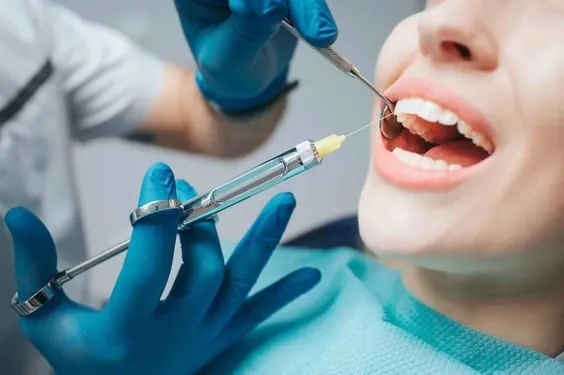
- Anaesthetic: the tooth and surrounding area are numbed so you feel pressure rather than pain.
- Isolation: a thin protective sheet keeps the tooth clean and dry during treatment.
- Cleaning and shaping: a small opening is made, the inflamed or infected pulp is removed, and the canals are cleaned and disinfected.
- Sealing: the canals are filled and sealed. If a second visit is needed, medication is placed and the tooth is closed with a temporary filling.
- Restoration: the tooth is rebuilt with a filling or, often for back teeth, a crown to protect it.
Results & aftercare
Some tenderness for a few days, especially when biting, is common and usually manageable with pain relief your dentist recommends. Avoid chewing hard food on the tooth until it has its permanent restoration, keep brushing and cleaning between your teeth as usual, and attend your follow-up so we can check healing. A root-canal-treated tooth that is well restored and well cared for can serve you for many years.
Book your consultation
In pain, or told you may need a root canal? Contact Dr. Shaikha AlKubaisi Medical Center, 850 Al Duhail Street, Doha. Call +974 4416 8888 or message us on WhatsApp and we will arrange an appointment as soon as possible.
Frequently Asked Questions
Is root canal treatment painful?
With local anaesthetic, most people say it feels similar to having a filling. You may feel pressure and vibration. Most of the pain people associate with root canals comes from the infection before treatment, which the treatment is designed to relieve.
How many visits does a root canal take?
Many root canals are completed in one visit. Teeth with several curved canals, a severe infection or previous treatment may need two or more visits. A crown, if needed, is made afterwards.
Can I go back to work after a root canal?
Most people return to normal activities the same day. Your lip and cheek may stay numb for a few hours, so avoid eating hot food or chewing until the numbness wears off.
Do I need a crown afterwards?
Back teeth often do, because they take heavy chewing forces and can crack once they have lost structure. Front teeth with enough remaining structure may only need a filling. We will advise you based on your tooth.
Is pulling the tooth a better option?
Keeping your natural tooth is usually preferred, as a gap can lead to neighbouring teeth shifting and needs replacing. However, not every tooth can be saved, and if yours cannot, we will explain your options honestly.
This article is for general information and does not replace a medical consultation. Suitability and results vary from person to person.