In Short
- Clear aligners are removable transparent trays that move teeth gradually; for many mild to moderate cases they work well when worn as prescribed.
- Aligners are generally worn around 22 hours a day and removed only to eat, drink anything other than plain water, and brush and floss.
- Treatment time depends on the case: minor corrections may take a few months, while more complex cases can take a year or longer.
- Severe crowding or major bite and jaw problems may be better treated with fixed braces, and wearing a retainer afterwards is essential to keep the result.
Clear aligners have become one of the most popular ways for adults in Qatar to straighten their teeth without the look of metal brackets. But are they as effective as braces, and are they right for every case? This guide explains how clear aligners work, how many hours a day you need to wear them, how long treatment usually takes, and how they compare with metal and ceramic braces, so you can make a realistic, informed choice.
How do clear aligners work?
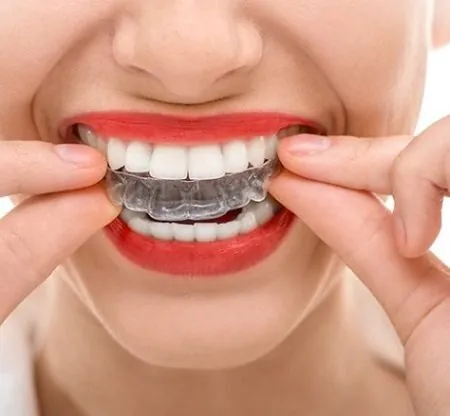
Clear aligners are a series of thin, transparent, removable trays made to fit your teeth precisely. Your dentist starts with a digital scan or impressions and plans the movement of each tooth step by step. Each aligner in the series is slightly different from the last, applying gentle, controlled pressure that moves the teeth gradually. You usually switch to a new set every one to two weeks, as instructed by your dentist.
Many treatments also use small tooth-coloured bumps called attachments, bonded to some teeth. They give the aligners something to grip so they can rotate or move teeth more accurately. Attachments are removed at the end of treatment.
How many hours a day do you need to wear aligners?
This is the single most important factor in whether aligners work. They are generally worn around 22 hours a day, taken out only to eat, drink anything other than plain water, and brush and floss. If aligners are left out for long periods, the teeth do not move as planned, treatment takes longer and the final result can be compromised. Aligners give you freedom, but they also demand discipline.
How long does treatment take?
It depends on how much the teeth need to move. Mild crowding or small gaps may be corrected in a matter of months, while more complex cases can take a year or longer. Braces may correct some problems more quickly, while aligners can sometimes need extra time or additional “refinement” trays. Your dentist will give you an estimated timeline after assessing your case, but no honest provider can guarantee an exact finish date.
Which cases suit clear aligners?
- Mild to moderate crowding of the front teeth.
- Spacing and small gaps between teeth.
- Teeth that have shifted back after earlier orthodontic treatment (relapse).
- Some mild to moderate bite problems, depending on the case.
- Straightening teeth before cosmetic work such as veneers, so less tooth preparation is needed.
Severe crowding, large bite discrepancies, significant jaw problems, or teeth that need major rotation or vertical movement may be better treated with fixed braces or a combined approach, sometimes with an orthodontic specialist. Aligners are not an option for everyone, and a proper examination is the only way to know.
Clear aligners vs metal and ceramic braces
Advantages of clear aligners
- Nearly invisible, which many working adults prefer.
- Removable, so you can eat normally and brush and floss as usual.
- Smooth plastic, with no wires or brackets to rub the cheeks.
- Often fewer emergency visits for broken brackets or poking wires.
Disadvantages of clear aligners
- Results depend on you wearing them as prescribed; braces work all the time because they are fixed.
- Easy to lose or forget, especially when eating out.
- Not suitable for every type of tooth movement.
- You need to brush before putting them back in after meals, or food and sugary drinks get trapped against the teeth.
Metal braces remain a very effective and versatile option for complex cases. Ceramic braces work in the same way but use tooth-coloured brackets that are less noticeable, though they can be slightly bulkier and the elastic ties may stain.
Clear aligners for adults
There is no upper age limit for straightening teeth, as long as the teeth and gums are healthy. Many adults in Doha choose aligners because they fit easily around work, social events and photos. Before starting, your dentist should treat any decay and check your gum health, because orthodontic movement on inflamed gums or weakened bone can cause problems. Adults with crowns, bridges or many fillings can often still have aligners, but planning needs extra care.
Tips for success with aligners
- Wear your aligners for the full daily time your dentist prescribes.
- Remove them for meals and anything other than water, then brush before putting them back in.
- Clean the aligners gently with cool water and a soft brush; hot water can warp them.
- Always store them in their case, never in a tissue.
- Change trays on schedule and attend your review appointments.
Wondering whether clear aligners can straighten your teeth? Book a free first consultation at Dr. Shaikha AlKubaisi Medical Center on Al Duhail Street, Doha. Our dental team will examine your teeth and bite, tell you honestly whether aligners suit your case, and explain what to expect from start to finish.
Frequently Asked Questions
How many hours a day should clear aligners be worn?
Generally around 22 hours a day. They should only be removed for eating, drinking anything other than plain water, and brushing and flossing.
Are clear aligners as effective as braces?
For many mild to moderate cases, aligners can achieve excellent results when worn as prescribed. Some complex movements and severe bite problems are still better handled with fixed braces.
How long does clear aligner treatment take?
It depends on the case. Minor corrections may take a few months, while more complex cases can take a year or more. Your dentist will give you an estimate after examining your teeth.
Am I too old for clear aligners?
There is no upper age limit. Adults can straighten their teeth as long as their teeth and gums are healthy. Gum health is checked carefully before treatment starts.
Do clear aligners hurt?
Most people feel pressure or mild soreness for a day or two when switching to a new set. This usually settles quickly and is a sign that the aligners are working.
Do I need a retainer after aligners?
Yes. Teeth tend to move back after treatment, so wearing a retainer as instructed is essential to keep the result.
Have questions about your case?
Book a consultation with our specialists in Al Duhail, Doha to find the treatment that suits you.
This article is for general information and does not replace a medical consultation. Suitability and results vary from person to person.