In Short
- E-max veneers are high-strength porcelain (lithium disilicate) shells, while composite veneers are tooth-coloured resin sculpted directly onto the teeth.
- Porcelain veneers such as E-max commonly last around 10 to 15 years with good care; composite usually needs repair or replacement sooner.
- E-max resists staining and chipping better but usually needs a thin layer of enamel removed; composite needs little or no preparation and is easier to adjust.
- Lumineers and no-prep veneers preserve more enamel but only suit certain teeth, such as small, spaced or worn ones; an examination should guide the choice.
If you are planning veneers in Doha, one of the first decisions is the material. The two most common choices are E-max veneers, a type of high-strength porcelain (lithium disilicate ceramic), and composite veneers, which are made from tooth-coloured resin. You will also hear about “lumineers” and no-prep veneers. Each option has real strengths and real limitations, and the right choice depends on your teeth, your bite and your expectations. This guide compares them clearly so you can have a more informed conversation with your dentist.
What are E-max veneers?
E-max is a brand of lithium disilicate glass-ceramic, one of the most widely used materials for porcelain veneers today. The veneers are made in a dental laboratory (or milled digitally) from impressions or scans of your prepared teeth, then bonded to the front surface of the teeth. Because the material can be made very thin while staying strong, and because it lets light pass through in a way similar to enamel, it is popular for natural-looking smile makeovers.
What are composite veneers?
Composite veneers are built from tooth-coloured resin, the same family of material used for white fillings. In the direct technique, the dentist sculpts the resin onto your teeth layer by layer and hardens it with a curing light, often in a single visit. Composite can sometimes be added with little or no removal of enamel, which makes it a more conservative and more easily reversible or adjustable option.
E-max vs composite: side-by-side
- Appearance: well-made E-max veneers have a lifelike translucency and keep their surface shine. Composite can look very natural when done skilfully, but it tends to lose polish and pick up surface stains over time.
- Stain resistance: porcelain resists staining well, though it is not completely immune. Composite absorbs colour from coffee, tea and smoking more readily.
- Strength and chipping: E-max is harder and more durable. Composite is more likely to chip or wear, but small chips can usually be repaired in the chair.
- Tooth preparation: conventional porcelain veneers usually require removing a thin layer of enamel. Composite often needs little or none.
- Number of visits: porcelain typically takes two or more visits with a laboratory stage in between. Direct composite can often be completed in one longer appointment.
- Lifespan: porcelain veneers commonly last around 10 to 15 years with good care. Composite veneers generally need repair or replacement sooner, often within several years.
- Reversibility: once enamel has been prepared for porcelain, the decision is permanent. Composite placed without preparation can usually be adjusted or removed.
What about lumineers and no-prep veneers?
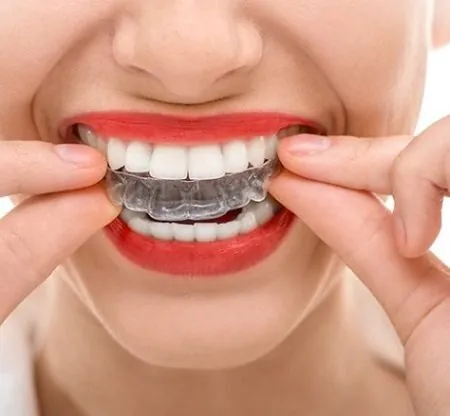
Lumineers is a brand name for a type of very thin porcelain veneer that is often placed with little or no tooth preparation. In the Gulf, people often use the word “lumineers” to mean any ultra-thin or no-prep veneer. The main appeal is that more natural enamel is preserved, and in some cases the treatment can be considered reversible.
The limitation is that no-prep veneers are not right for everyone. Because they add thickness on top of the tooth, they work best on teeth that are small, slightly inward, spaced or worn. On teeth that are already prominent or crowded, a no-prep veneer can make the teeth look bulky and can make cleaning around the edges harder. Even “no-prep” treatment may need a small amount of shaping for a good fit. Your dentist should tell you honestly whether you are a candidate.
Who suits which type of veneer?
E-max porcelain veneers may suit you if:
- You want a long-term result with excellent colour stability and shine.
- You want to change the shape and shade of several front teeth together.
- Your teeth have significant discolouration that whitening cannot fix.
- You are comfortable with a permanent change to your enamel.
Composite veneers may suit you if:
- You want minor changes, such as closing small gaps or fixing chipped edges.
- You prefer the most conservative, adjustable option.
- You are younger or not yet ready for a permanent commitment.
- You accept that you will need regular polishing, repairs and eventual replacement.
Caring for porcelain and composite veneers
- Brush twice daily with a soft brush and non-abrasive fluoride toothpaste, and clean between your teeth every day.
- Avoid biting very hard objects such as ice, bones, pens or fingernails.
- Wear a night guard if you grind or clench your teeth.
- With composite, cut down on staining drinks and ask about periodic polishing.
- Attend regular checkups so your dentist can check the margins and your gum health.
Remember that whitening products will not lighten porcelain or composite. If you would like your natural teeth whiter, it is usually best to whiten before the veneer shade is chosen so everything matches.
Still unsure whether E-max, composite or a no-prep option is right for you? Book a free first consultation at Dr. Shaikha AlKubaisi Medical Center on Al Duhail Street, Doha. Our dental team will assess your teeth and bite, explain the pros and cons of each material for your case, and help you choose the option that fits your goals.
Frequently Asked Questions
Which lasts longer, E-max or composite veneers?
Porcelain veneers such as E-max generally last longer, commonly around 10 to 15 years with good care. Composite veneers usually need repair or replacement sooner, although small chips are easier to fix.
What is the difference between veneers and lumineers?
Lumineers is a brand of very thin porcelain veneer that is often placed with minimal or no preparation. Conventional veneers usually require removing a thin layer of enamel. No-prep veneers preserve more tooth but only suit certain cases.
Do composite veneers stain?
Yes, composite is more prone to staining than porcelain, especially with coffee, tea and smoking. Regular polishing and good hygiene help keep them looking fresh.
Do E-max veneers require shaving the teeth?
Usually a thin layer of enamel is removed so the veneers look natural and are not bulky. The amount depends on your teeth and the planned result. In selected cases, minimal-prep porcelain veneers may be possible.
Can composite veneers be replaced with porcelain later?
Often yes. Many people start with composite and move to porcelain later. Your dentist will check the condition of the underlying teeth before planning the change.
Have questions about your case?
Book a consultation with our specialists in Al Duhail, Doha to find the treatment that suits you.
This article is for general information and does not replace a medical consultation. Suitability and results vary from person to person.