In Short
- Professional teeth whitening uses peroxide-based gels to break down stain molecules, and is considered safe for most adults when supervised by a dentist.
- In-clinic whitening gives a noticeable change in one visit, while home whitening with custom trays works more gradually; both are effective.
- Temporary sensitivity to cold is the most common side effect and usually settles within a few days; results last from a few months to a few years.
- Whitening only works on natural teeth: veneers, crowns and white fillings keep their colour, so whiten before any new restorations are matched.
Teeth whitening is one of the simplest ways to brighten a smile, and it is a common request at dental clinics in Doha. Yet many people worry: is teeth whitening harmful, does it weaken enamel, and how long will the results last? This guide explains how professional whitening works, how in-clinic and home whitening differ, what to expect with sensitivity, and the honest limits of what whitening can achieve.
How does teeth whitening work?
Professional whitening uses peroxide-based gels (hydrogen peroxide or carbamide peroxide). The active ingredient passes into the tooth structure and breaks down the coloured molecules that cause staining, making the teeth appear lighter. This is different from “whitening” toothpastes, which mainly polish away surface stains and do not change the natural shade of the tooth.
Whitening works best on yellowish or brownish discolouration from ageing, coffee, tea and smoking. Greyish staining, some medication-related staining and white spots can respond less predictably, and your dentist should tell you this before you begin.
In-clinic vs home whitening
In-clinic (professional) whitening
In the clinic, the dentist first protects your gums and soft tissues, then applies a stronger whitening gel to the teeth, sometimes with a light. It is usually completed in a single appointment, gives a noticeable change quickly, and is supervised from start to finish.
Dentist-supervised home whitening
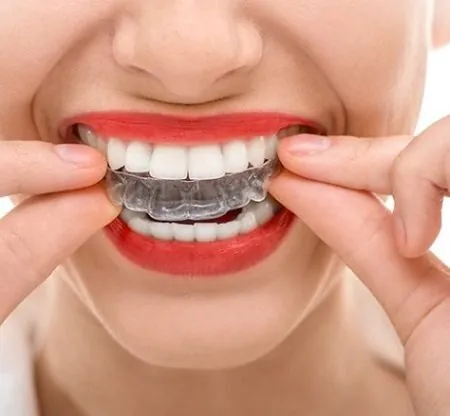
Your dentist makes custom-fitted trays and gives you a lower-strength gel to wear at home over a period of a few weeks. Results build more gradually and can be very even. Many people combine both: an in-clinic session followed by home trays for top-ups.
Over-the-counter kits and salon treatments
Off-the-shelf strips and kits tend to be less effective, and poorly fitting trays can let gel irritate the gums. Whitening performed outside a dental setting, without an examination, carries more risk to teeth and gums. Health authorities generally advise that whitening should be carried out or supervised by a dental professional.
Is teeth whitening harmful? Does it damage enamel?
When it is done under dental supervision, using appropriate products and following instructions, whitening is considered safe for most adults with healthy teeth and gums. Problems are more likely with overuse, very frequent repeat treatments, unregulated products, or whitening teeth that have untreated decay, leaking fillings or exposed roots. Acidic or abrasive “DIY” methods such as lemon juice, baking soda scrubs or charcoal powders can wear enamel and are not recommended.
Whitening is not recommended during pregnancy or breastfeeding, for children and young teenagers, or for anyone with active gum disease or untreated cavities until those problems are treated.
Sensitivity after whitening
Temporary sensitivity to cold, and sometimes mild gum irritation, are the most common side effects. They usually settle within a few days of finishing treatment. If you are prone to sensitivity, tell your dentist beforehand. Helpful steps include:
- Using a sensitivity toothpaste for a week or two before and during treatment.
- Spacing out home whitening sessions or shortening wear time if teeth feel sensitive.
- Avoiding very cold or very hot food and drinks for a day or two after a session.
- Contacting your dentist if sensitivity is severe or lasts longer than a few days.
How long do whitening results last?
Whitening is not permanent. Depending on your habits, results can last from a few months to a few years. Coffee, tea, smoking and other strongly coloured foods and drinks shorten the effect. Good brushing, regular professional cleaning and occasional top-up whitening with your dentist’s trays help keep your smile brighter for longer.
Crowns, veneers and fillings do not whiten
Whitening only lightens natural tooth structure. Porcelain or composite veneers, crowns, bridges and white fillings will keep their original colour. If you have restorations on visible front teeth, whitening your natural teeth may leave them looking darker by comparison, and they may need to be replaced to match. If you are planning veneers or crowns, it is usually best to whiten first so the new restorations can be matched to your brighter shade.
Tips to keep your smile bright
- Brush twice a day with fluoride toothpaste and clean between your teeth daily.
- Rinse with water after coffee, tea or Arabic coffee if you cannot brush.
- Avoid smoking, including shisha, which stains teeth quickly.
- Keep up regular dental checkups and professional cleaning.
- Ask your dentist before using any whitening product at home.
If you would like a brighter smile, book a free first consultation at Dr. Shaikha AlKubaisi Medical Center on Al Duhail Street, Doha. Our dental team will check that your teeth and gums are ready for whitening, explain what results are realistic for you, and recommend the safest approach.
Frequently Asked Questions
Is teeth whitening bad for your teeth?
When done or supervised by a dentist with appropriate products, whitening is considered safe for most adults with healthy teeth and gums. Overuse, unregulated products and DIY methods carry more risk.
How long does professional teeth whitening last?
Results are not permanent and can last from a few months to a few years depending on diet, smoking and oral hygiene. Occasional top-ups can help maintain the shade.
Does teeth whitening cause sensitivity?
It can. Temporary sensitivity to cold is the most common side effect and usually settles within a few days. Sensitivity toothpaste and adjusting the treatment can help.
Can veneers or crowns be whitened?
No. Whitening only works on natural teeth. Veneers, crowns and white fillings keep their colour and may need replacing if they no longer match your whitened teeth.
Is in-clinic whitening better than home whitening?
In-clinic whitening gives faster results in one visit, while home whitening with custom trays works more gradually. Both are effective under dental supervision, and your dentist can advise which suits you.
Have questions about your case?
Book a consultation with our specialists in Al Duhail, Doha to find the treatment that suits you.
This article is for general information and does not replace a medical consultation. Suitability and results vary from person to person.