In Short
- Zirconia crowns are strong, metal-free caps suited to molars and teeth grinders; E-max looks more lifelike on front teeth, and PFM has a long track record.
- There is no single best crown: the choice depends on the tooth, your bite, any grinding habit, neighbouring teeth and how much tooth remains.
- Crowns commonly last around 5 to 15 years and often longer with good care; decay at the crown edge, gum disease and grinding are the main threats.
- A bridge replaces a missing tooth without surgery but relies on neighbouring teeth, while an implant stands alone but needs surgery and enough healthy bone.
A dental crown is one of the most common ways to rebuild a damaged tooth, and zirconia crowns have become a popular choice in Doha and across the Gulf. But zirconia is not the only option. Porcelain-fused-to-metal (PFM) and E-max (lithium disilicate) crowns each have their place, and bridges offer a way to replace a missing tooth. This guide explains how the materials compare, how long crowns typically last and how to look after them, so you know what to ask at your consultation.
What is a dental crown and when is it needed?
A crown is a custom-made cap that covers the whole visible part of a tooth, restoring its shape, strength and appearance. In the Gulf it is often called tooth “capping” or tooth “covering”. Common reasons for a crown include:
- A tooth that is cracked, broken or heavily worn.
- A tooth with a very large filling and little natural structure left.
- A back tooth after root canal treatment, to protect it from fracture.
- Badly discoloured or misshapen teeth where a veneer is not enough.
- Supporting a bridge that replaces a missing tooth.
Zirconia vs PFM vs E-max crowns
Zirconia crowns
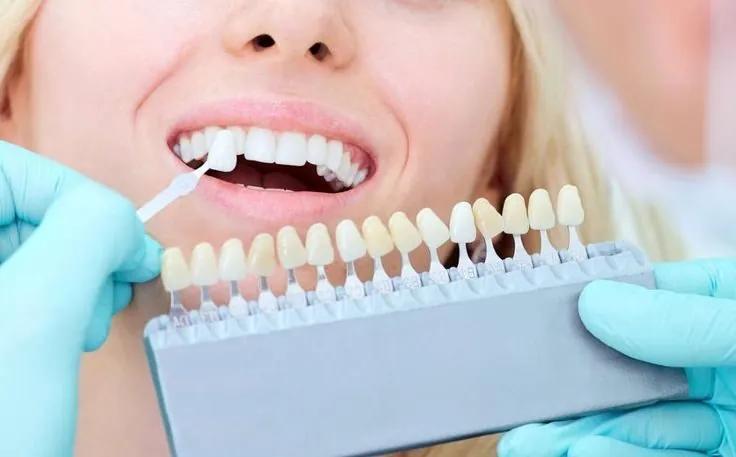
Zirconia (zirconium dioxide) is a very strong, metal-free ceramic. It handles heavy biting forces well, which makes it a popular choice for molars and for people who clench or grind. Because there is no metal, there is no grey line at the gum. Modern zirconia comes in more translucent forms that look more natural than earlier versions, and zirconia can also be layered with porcelain for a more lifelike front tooth. Very high-strength zirconia tends to be slightly more opaque than glass-ceramics, so for the most demanding front-tooth aesthetics your dentist may suggest another option.
Porcelain-fused-to-metal (PFM) crowns
PFM crowns have a metal inner layer covered with tooth-coloured porcelain. They have been used successfully for decades and are strong and reliable. Their drawbacks are mainly cosmetic: the porcelain can chip and expose metal, and a dark line may become visible at the gum if the gum recedes. They can also be harder on opposing teeth than some newer materials.
E-max (lithium disilicate) crowns
E-max is a glass-ceramic known for excellent translucency and a very natural look, which is why it is often chosen for front teeth and smile makeovers. It is strong, though generally not as fracture-resistant as zirconia under very heavy forces, so it may be less suitable for back teeth in people who grind heavily.
What is a dental bridge?
A bridge replaces one or more missing teeth by joining a false tooth (pontic) to crowns placed on the teeth on either side of the gap. It is fixed in place and cannot be removed at home. Bridges can be made from zirconia, PFM or other ceramics, using the same considerations as single crowns.
Bridges vs dental implants
The main alternative to a bridge for a missing tooth is a dental implant, a small post placed in the jawbone that supports a crown. Each approach has trade-offs:
- A bridge is usually quicker and does not involve surgery, but the neighbouring teeth must be shaped to support it.
- A bridge is a good option when the neighbouring teeth already need crowns or large restorations.
- An implant does not rely on neighbouring teeth, but it requires surgery, enough healthy bone, good general health and a longer healing period.
- Cleaning under a bridge needs special floss or brushes, while an implant crown is cleaned more like a natural tooth.
Your dentist can explain which option suits your situation, and refer you on where implant treatment is the better route.
The crown process: steps and visits
- Examination and X-rays, and treatment of any decay or root problems first.
- Shaping the tooth under local anaesthetic to make room for the crown, and taking impressions or digital scans.
- Fitting a temporary crown while the permanent one is made in the laboratory.
- Trying in the final crown, checking fit, colour and bite, then cementing it permanently.
Most crowns are completed in about two main appointments a couple of weeks apart. Some sensitivity to hot and cold for a few weeks afterwards is normal.
How long do crowns and bridges last?
Crowns commonly last around 5 to 15 years, and many last considerably longer with good care. Bridges follow a similar pattern, though their life also depends on the health of the supporting teeth. The biggest threats are not usually the material itself but decay at the edge of the crown, gum disease, grinding and biting hard objects. A crown protects the tooth, but the tooth underneath can still decay.
Caring for crowns and bridges
- Brush twice daily with fluoride toothpaste, paying attention to the gum line around the crown.
- Clean between teeth daily, and under bridges with floss threaders or interdental brushes.
- Avoid chewing ice, hard nuts and very sticky sweets.
- Wear a night guard if you grind or clench.
- See your dentist if a crown feels loose, cracked, high when you bite, or if you notice a bad taste.
- Keep regular checkups and cleanings.
If you have a damaged or missing tooth and want to know whether a zirconia crown or a bridge is right for you, book a free first consultation at Dr. Shaikha AlKubaisi Medical Center on Al Duhail Street, Doha. Our dental team will examine your teeth, explain the materials and options clearly, and help you choose a restoration that fits your bite and your smile.
Frequently Asked Questions
Are zirconia crowns better than porcelain crowns?
Zirconia is generally stronger and very suitable for back teeth and people who grind. E-max and other glass-ceramics often look more lifelike on front teeth. The best choice depends on the tooth and your bite.
How long do zirconia crowns last?
Crowns commonly last around 5 to 15 years and often longer with good care. Decay at the crown edge, gum disease and grinding are the most common reasons crowns need replacing.
Does getting a crown hurt?
Tooth preparation is done under local anaesthetic, so most people feel only pressure. Some sensitivity for a few weeks after the crown is fitted is normal.
Is a bridge or an implant better for a missing tooth?
Both can work well. A bridge avoids surgery but relies on neighbouring teeth, while an implant stands alone but needs surgery and enough healthy bone. Your dentist will advise based on your case.
Can a tooth decay under a crown?
Yes. The natural tooth underneath can still decay, usually at the edge where the crown meets the tooth. Good brushing, cleaning between teeth and regular checkups help prevent this.
Have questions about your case?
Book a consultation with our specialists in Al Duhail, Doha to find the treatment that suits you.
This article is for general information and does not replace a medical consultation. Suitability and results vary from person to person.