In Short
- Botox (botulinum toxin type A) temporarily relaxes the muscles behind expression lines, softening forehead lines, frown lines and crow’s feet.
- Botox usually starts working within two to five days, reaches its full result at around two weeks, and lasts about three to four months for most people.
- Common side effects are short-lived redness, small bumps, minor bruising or mild headache; a heavy brow or drooping eyelid is less common and temporary.
- Stay upright for about four hours and avoid strenuous exercise, saunas and heat for about 24 hours. Botox is not recommended in pregnancy or breastfeeding.
Botox is one of the most widely performed cosmetic treatments in the world, and in Qatar it is often the first aesthetic treatment people consider. Yet many still have questions: How long does Botox last? When will I see results? Will I look frozen? This guide answers the questions people most often search for, so you can make an informed decision.
What is Botox and how does it work?
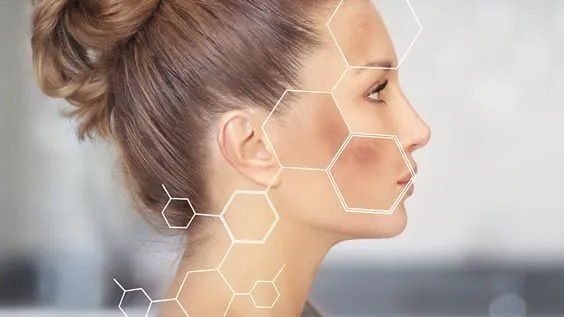
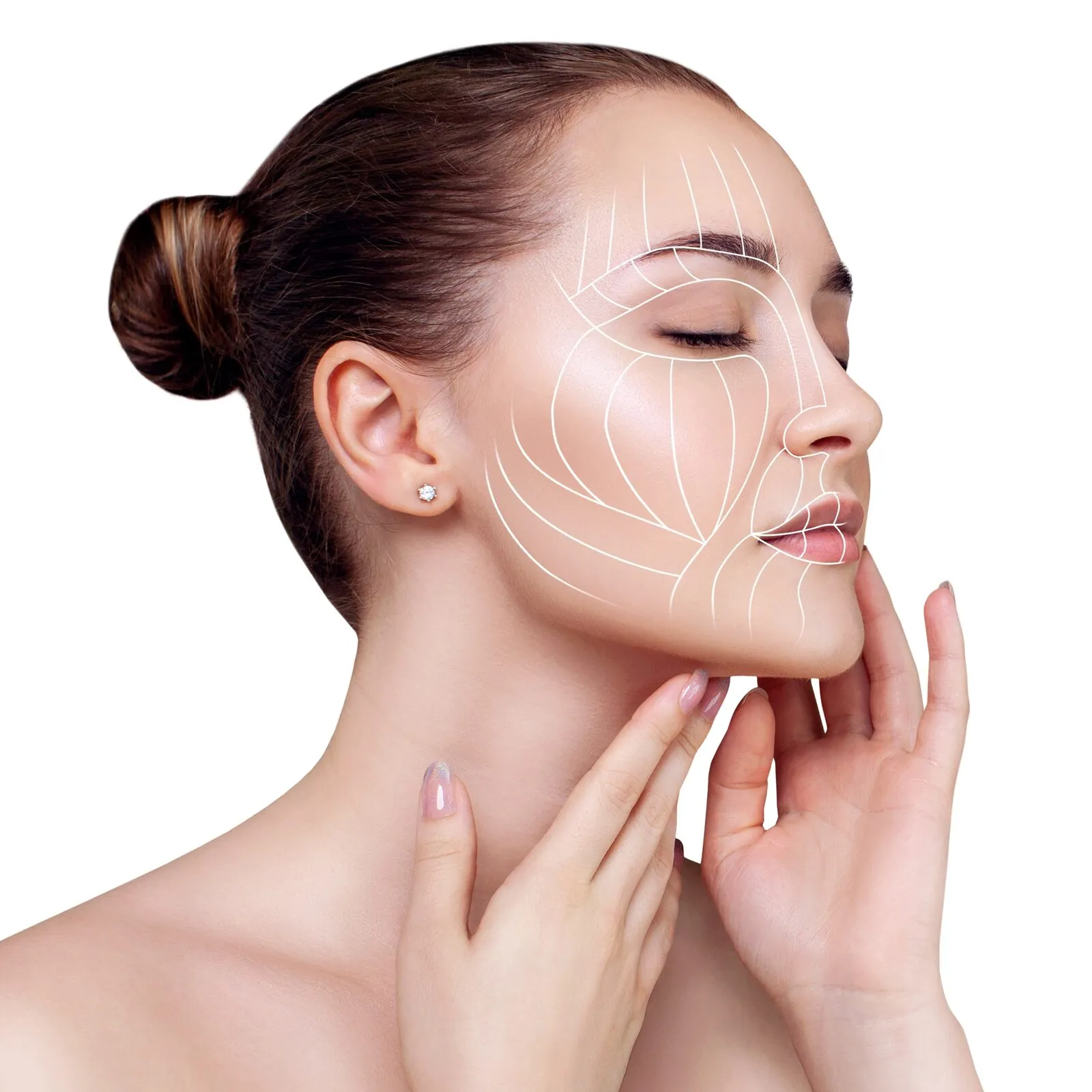
“Botox” is commonly used as a general name for botulinum toxin type A injections. In very small, purified doses, botulinum toxin temporarily blocks the nerve signals that tell a muscle to contract. When the muscles that create repeated expressions relax, the lines they cause on the overlying skin soften. It works best on dynamic wrinkles — lines that appear when you move your face — rather than on lost volume or sagging skin.
Common Botox treatment areas
- Forehead lines (horizontal lines when raising the eyebrows)
- Frown lines between the eyebrows, often called “11 lines”
- Crow’s feet at the outer corners of the eyes
- Bunny lines on the sides of the nose
- Selected lower-face uses such as a dimpled chin or jaw muscle (masseter) slimming, after careful assessment
- Excessive underarm sweating (hyperhidrosis), a recognised medical use
When do Botox results show?
Botox is not instant. Most people begin to notice an effect within about two to five days, and the full result usually develops by around two weeks. For this reason, follow-up assessments and any small adjustments are normally done about two weeks after treatment, not sooner.
How long does Botox last?
For most people, results last around three to four months, after which muscle activity gradually returns and lines begin to reappear. Duration varies from person to person depending on:
- The treated area and the strength of the muscles
- The dose used
- Individual metabolism and activity levels
- How regularly you have had treatment in the past
Lines do not suddenly get worse when Botox wears off — your face simply returns gradually to how it moved before.
Possible side effects
When performed by a trained medical professional, Botox is generally well tolerated. Common, usually short-lived effects include:
- Small bumps, redness or tenderness at injection points for a short time
- Minor bruising
- A mild headache in the first day or so
Less commonly, the product can affect a nearby muscle, causing a temporarily heavy brow or drooping eyelid, or an uneven smile. These effects are temporary and wear off as the toxin does, but they are a key reason to choose an experienced injector who understands facial anatomy.
Botox aftercare: what to do and avoid
- Stay upright for about four hours after treatment.
- Do not rub, massage or press on the treated areas for the rest of the day.
- Avoid strenuous exercise, saunas and heat for about 24 hours.
- Avoid facials, massages and other skin treatments on the area for a few days unless your practitioner advises otherwise.
- Return for your review at around two weeks if advised.
Common Botox myths
- Myth: Botox always looks frozen. A “frozen” look usually reflects dosing choices. A conservative approach can soften lines while keeping natural expression.
- Myth: Botox is the same as filler. Botox relaxes muscles; fillers restore volume. They treat different concerns.
- Myth: Once you start, you can never stop. You can stop at any time; the effect simply wears off.
- Myth: Botox is permanent. It is temporary and needs repeating to maintain results.
Who is a good candidate for Botox?
Botox is usually considered by adults who are bothered by expression lines on the upper face, or who want to soften lines that are just starting to form. Some people in their late twenties and thirties choose it early, while others start later. It is not the right tool for every concern: hollow cheeks, thin lips or deep folds caused by volume loss are better addressed with other options such as dermal fillers, and skin texture or mild laxity may respond better to skin-quality treatments. A good consultation looks at the cause of each line rather than treating everything the same way.
Planning your first Botox appointment
- Bring a list of your medications and supplements, including blood thinners, which can increase bruising.
- Think about the look you want: softer and natural, or a stronger reduction in movement.
- Avoid scheduling treatment right before a major event; allow about two weeks for the full result and any review.
- Ask how the dose and injection points are chosen for your face, and what the review process is.
Botox at Dr. Shaikha AlKubaisi Medical Center
If you are considering Botox in Doha, our dermatology team at Dr. Shaikha AlKubaisi Medical Center in Al Duhail, including Dr. Maisoon Mohammed Omar, Dermatology & Cosmetic Specialist, can assess your facial movement and goals and recommend a natural-looking approach. Book your free first consultation to discuss whether Botox is right for you.
Frequently Asked Questions
How long does Botox last?
Usually around three to four months, though it varies with the area treated, the dose and the individual. Muscle movement returns gradually as it wears off.
How long does Botox take to work?
Most people notice an effect within two to five days, with the full result visible at around two weeks.
Can I lie down or exercise after Botox?
Staying upright for about four hours and avoiding strenuous exercise, saunas and heat for around 24 hours is the usual advice.
What are the side effects of Botox?
Common effects are temporary redness, small bumps, minor bruising or a mild headache. Less commonly, a heavy brow or drooping eyelid can occur temporarily, which is why an experienced injector matters.
Does Botox make your face look frozen?
Not necessarily. The look depends on dose and placement, and a conservative plan can soften lines while preserving natural expression.
Is Botox safe during pregnancy?
No. Botox is not recommended during pregnancy or breastfeeding.
Have questions about your case?
Book a consultation with our specialists in Al Duhail, Doha to find the treatment that suits you.
This article is for general information and does not replace a medical consultation. Suitability and results vary from person to person.