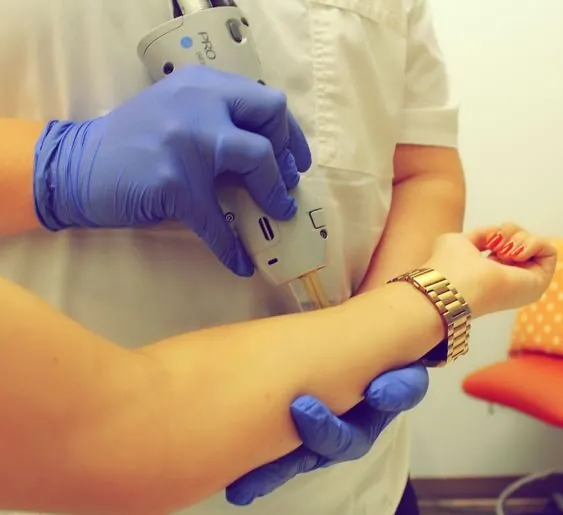
In Short
- GentleMax Pro is a laser hair removal platform combining a 755 nm Alexandrite laser for lighter skin and a 1064 nm Nd:YAG laser for darker skin types.
- Most people need around six to eight sessions; laser gives long-term hair reduction rather than a guarantee of zero hair, and maintenance sessions are common.
- Sessions are typically four to six weeks apart for the face and six to eight weeks apart for body areas, adjusted to your hair growth cycle.
- Shaving between sessions is fine, but avoid waxing, threading, plucking and tanning; in summer, strict sun protection on exposed areas is essential.
Laser hair removal is one of the most popular treatments in Qatar, and GentleMax Pro is a name many people come across when they start researching. The most common questions are practical ones: Is it safe for my skin tone? How many sessions until the hair is gone for good? Can I do it in summer? This guide answers those questions honestly, with a particular focus on the medium and darker skin types common in the Gulf.
What is GentleMax Pro?
GentleMax Pro is a laser platform that houses two different wavelengths in one device: a 755 nm Alexandrite laser and a 1064 nm Nd:YAG laser. Both work on the same principle — the laser light is absorbed by the pigment (melanin) in the hair, converted to heat, and that heat damages the follicle so it produces less hair over time. The device also uses a cooling spray delivered just before each pulse to help protect the skin surface and improve comfort.
Alexandrite or Nd:YAG: which suits your skin type?
Having two wavelengths matters because skin also contains melanin. The aim is to heat the hair, not the surrounding skin. Dermatologists use the Fitzpatrick scale (types I to VI, from very fair to very dark) to guide the choice:
- Alexandrite 755 nm: generally preferred for lighter skin types (roughly I to III) with dark hair. It is strongly absorbed by melanin, which makes it efficient on suitable skin.
- Nd:YAG 1064 nm: penetrates more deeply and is less absorbed by surface pigment, so it is generally the safer choice for darker skin types (roughly IV to VI), including many Gulf and South Asian skin tones.
- Medium skin or recently tanned skin: the dermatologist may choose a wavelength or settings based on a test patch and how your skin responds.
Lasers rely on pigment in the hair, so very light blonde, grey, white or red hair responds poorly to any laser. This is worth knowing before you start.
How many laser sessions for permanent hair removal?
This is the question people ask most — often as “how many sessions until it is permanent?” The honest answer is that laser offers long-term hair reduction rather than a guarantee that every hair will disappear forever. Most people need a course of around six to eight sessions, and some need more, especially with darker skin, dense or coarse hair, or hormonal factors such as polycystic ovary syndrome. Fine hairs that remain usually grow back lighter and thinner, and occasional maintenance sessions are common.
How far apart are sessions?
Hair grows in cycles, and the laser is most effective on hairs in the active growth phase. That is why sessions are spaced out: typically around four to six weeks for the face, and around six to eight weeks for body areas such as legs and back, where hair grows more slowly. Your dermatologist will adjust the interval to how your hair responds.
Does it hurt?
Most people describe a quick snap, like a rubber band flicking the skin, followed by warmth. The built-in cooling helps a lot, and sensitive areas such as the underarm and bikini line tend to feel stronger. Discomfort usually lessens in later sessions as there is less hair to absorb the energy. A numbing cream can be discussed for sensitive areas.
Before your session
- Shave the area a day before, but avoid waxing, threading or plucking for several weeks, because the laser needs the hair root in place.
- Avoid tanning, sunbathing and self-tanning products in the weeks before treatment.
- Arrive with clean skin, without deodorant, perfume or makeup on the treated area.
- Tell the dermatologist about any medications, especially photosensitising drugs or acne treatments such as isotretinoin.
Aftercare
- Mild redness and small bumps around follicles are common and usually settle within hours to a day or two.
- Avoid hot baths, saunas, steam rooms and intense exercise for about 24–48 hours.
- Skip perfumed products and harsh exfoliants on the area for a few days.
- Treated hairs may appear to “grow” and then shed over one to three weeks — this is normal.
- Apply broad-spectrum sunscreen to exposed treated areas every day.
Laser hair removal in summer and the Qatar sun
Many people in Doha ask whether they can do laser in summer. It is possible, but sun exposure is the key issue. Tanned skin contains more melanin, which raises the risk of burns and pigmentation changes. If you are treating areas that are covered by clothing, summer sessions are often fine. For the face, hands or other exposed areas, strict sun protection is essential, and your dermatologist may postpone a session if your skin is recently tanned or if you are travelling to a beach holiday right after treatment.
GentleMax Pro at Dr. Shaikha AlKubaisi Medical Center
Our dermatology department in Al Duhail, Doha, offers GentleMax Pro laser hair removal following a proper skin assessment. Dr. Maisoon Mohammed Omar, Dermatology & Cosmetic Specialist, and the team will help determine which wavelength and settings suit your skin type and hair. Book your free first consultation to discuss your treatment plan.
Frequently Asked Questions
How many laser sessions are needed for permanent hair removal?
Most people need around six to eight sessions, and some need more depending on skin type, hair thickness and hormones. Laser gives long-term reduction rather than a guarantee of zero hair, and occasional maintenance sessions are common.
Is GentleMax Pro safe for dark skin?
GentleMax Pro includes a 1064 nm Nd:YAG wavelength, which is generally the safer choice for darker skin types because it is less absorbed by skin pigment. Settings should be chosen by an experienced practitioner after assessment.
What is the difference between Alexandrite and Nd:YAG laser?
Alexandrite (755 nm) is strongly absorbed by melanin and generally suits lighter skin with dark hair. Nd:YAG (1064 nm) penetrates deeper and is generally preferred for darker skin types.
How long should I wait between laser sessions?
Typically four to six weeks for the face and six to eight weeks for body areas, adjusted to your hair growth cycle and response.
Can I do laser hair removal in summer?
Yes, with care. Avoid tanning before and after sessions and use sunscreen on exposed areas. Your dermatologist may postpone treatment if your skin is recently tanned.
Can I shave between laser sessions?
Yes, shaving is fine. Avoid waxing, threading and plucking because they remove the hair root that the laser needs to target.
Have questions about your case?
Book a consultation with our specialists in Al Duhail, Doha to find the treatment that suits you.
This article is for general information and does not replace a medical consultation. Suitability and results vary from person to person.