In Short
- Morpheus8 is fractional radiofrequency (RF) microneedling that stimulates new collagen to improve mild skin laxity, acne scars, pores and skin texture.
- Many people have around three sessions spaced four to six weeks apart; acne scarring or more noticeable laxity may need more.
- Downtime is usually a few days of redness and mild swelling, with small grid marks or scabs that settle within about a week.
- Results build gradually over around three months as collagen forms; darker skin carries a pigmentation risk, so experienced settings and sun protection matter.
Morpheus8 is one of the most searched skin treatments in Doha, and for good reason: it targets several concerns at once, from mild skin laxity to acne scars and enlarged pores. But it is also surrounded by bold before-and-after posts that can set unrealistic expectations. This guide explains how Morpheus8 works, who it suits, how many sessions people usually need, what downtime really looks like, and what to consider if you have a medium or darker skin tone.
What is Morpheus8?
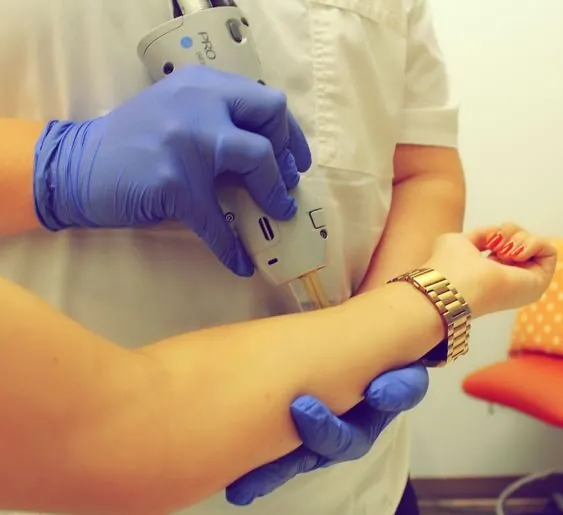
Morpheus8 is a fractional radiofrequency (RF) microneedling treatment. A handpiece with a grid of very fine needles creates tiny controlled channels in the skin, and radiofrequency energy is delivered through the needle tips into the deeper layers. The combination of micro-injury and heat stimulates the skin’s own repair process, which encourages new collagen and elastin over the following weeks.
Because the needle depth and energy can be adjusted, the treatment can be tailored to different areas and concerns — more superficial for texture and pores, deeper for firming and scar remodelling.
What can Morpheus8 treat?
Morpheus8 is used on the face, neck and some body areas. Common reasons people ask about it include:
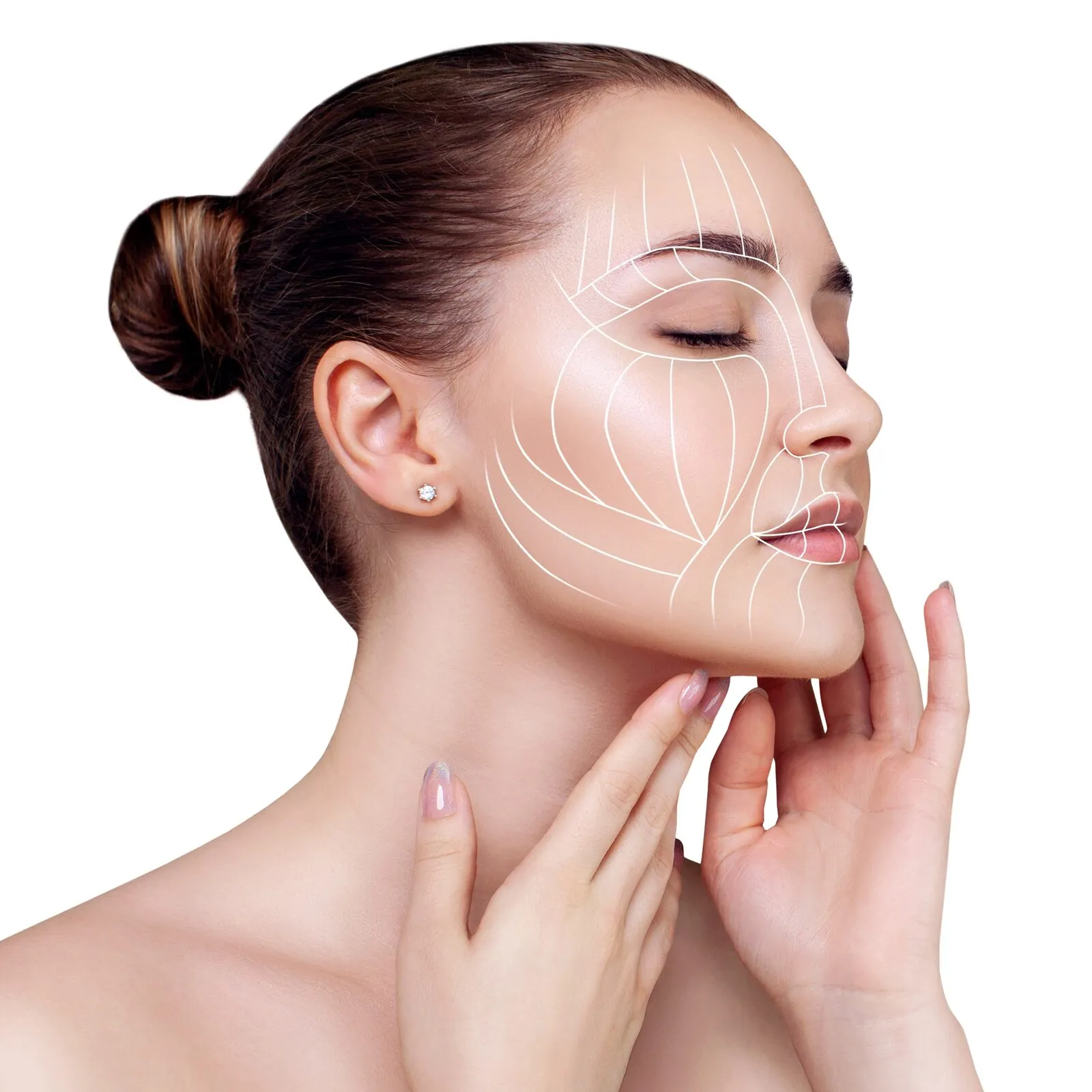
- Mild to moderate skin laxity on the lower face, jawline and neck
- Acne scars, especially rolling and boxcar-type scars
- Enlarged pores and uneven, rough skin texture
- Fine lines and early signs of ageing
- Crepey skin in selected body areas, as assessed by the dermatologist
It is not a substitute for surgery. People with significant sagging or heavy excess skin may be better served by other options, and an honest consultation should tell you that.
How many Morpheus8 sessions will I need?
Most treatment plans involve around three sessions spaced roughly four to six weeks apart, although some people need fewer and deeper concerns such as acne scarring may need more. Spacing sessions too closely does not speed up results — the skin needs time to rebuild between treatments. After the initial course, some people choose a maintenance session periodically. Your dermatologist will suggest a plan based on your skin, your goals and how you respond.
Does Morpheus8 hurt?
A topical numbing cream is usually applied before treatment, and most people describe the sensation as prickling heat that is tolerable. Bony areas and deeper settings tend to feel more intense. Discomfort varies from person to person, so tell your practitioner how you are feeling during the session — settings can be adjusted.
Downtime and recovery
Morpheus8 is considered a low-downtime treatment, but it is not zero downtime. A typical recovery looks like this:
- Day 1–2: redness and mild swelling, similar to a sunburn; the skin may feel warm and tight.
- Day 2–5: redness fades; small grid-like marks or pinpoint dots may be visible. Light makeup is often possible after about a day or two if your practitioner agrees.
- Day 4–7: tiny dry scabs may flake off on their own — do not pick them.
- Following weeks: collagen remodelling continues quietly beneath the surface.
Deeper treatments generally mean a longer recovery. Gentle cleansing, a simple moisturiser and strict sun protection are the core of aftercare. Avoid active ingredients such as retinoids and exfoliating acids until your practitioner says it is safe to restart them.
When will I see Morpheus8 results?
Some people notice a smoother, fresher look within the first week or two as swelling settles. The more meaningful changes come gradually as new collagen forms, so improvements usually build over the following weeks and can continue for around three months after a session. This is why “Morpheus8 before and after” photos are typically taken months after the final treatment. Results differ between individuals and are not guaranteed, and ageing continues, so maintenance may be needed to keep the effect.
Is Morpheus8 suitable for darker skin tones?
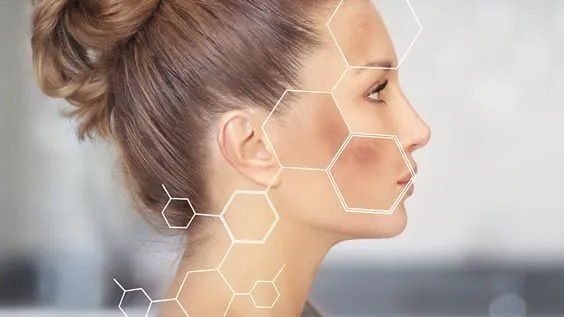
This is an important question in Qatar and the wider Gulf, where many people have medium to darker skin types that are more prone to post-inflammatory hyperpigmentation (dark marks after skin injury). Because RF microneedling delivers most of its energy below the surface rather than relying on pigment-targeting light, it is often considered for a wide range of skin tones. That said, darker skin still carries a risk of pigmentation if settings are too aggressive or aftercare is poor.
- Choose a practitioner experienced in treating your skin type.
- Avoid tanning and strong sun exposure before and after treatment, and use broad-spectrum sunscreen daily — essential in Doha’s climate.
- Do not pick or scratch healing skin.
- Mention any history of melasma or pigmentation problems at your consultation.
Morpheus8 at Dr. Shaikha AlKubaisi Medical Center
If you are considering Morpheus8 in Doha, the first step is a proper skin assessment. At Dr. Shaikha AlKubaisi Medical Center in Al Duhail, our dermatology team, including Dr. Maisoon Mohammed Omar, Dermatology & Cosmetic Specialist, will review your concerns, skin type and medical history and explain whether Morpheus8 is the right choice for you — or whether another treatment would suit you better. Book your free first consultation to get a personalised plan.
Frequently Asked Questions
How many Morpheus8 sessions do I need?
Many people have around three sessions four to six weeks apart, but the number depends on your concern and skin. Acne scarring or more noticeable laxity may need more sessions. Your dermatologist will advise after assessing your skin.
How long is the downtime after Morpheus8?
Usually a few days of redness and mild swelling, with small grid marks or scabs that settle within about a week. Deeper treatments can take longer to recover from.
When do Morpheus8 results show?
Some freshness may be visible within a couple of weeks, but the main improvement develops gradually as collagen rebuilds, typically over around three months after treatment. Results vary between individuals.
Is Morpheus8 safe for dark skin?
RF microneedling is often used across many skin tones, but darker skin is more prone to pigmentation after any skin injury. Experienced settings, sun avoidance and careful aftercare help reduce that risk.
Does Morpheus8 hurt?
Numbing cream is applied beforehand, and most people describe a tolerable prickling heat. Bony areas and deeper settings can feel stronger, and settings can be adjusted for comfort.
Can I have Morpheus8 while pregnant?
No. Morpheus8 and similar energy-based treatments are generally postponed during pregnancy and breastfeeding.
Have questions about your case?
Book a consultation with our specialists in Al Duhail, Doha to find the treatment that suits you.
This article is for general information and does not replace a medical consultation. Suitability and results vary from person to person.