In Short
- Dermal fillers are mostly hyaluronic acid gels injected to restore or add volume in the lips, cheeks, chin, jawline, under-eyes and nasolabial folds.
- HA fillers generally last about six to eighteen months; lips fade fastest, often within six months to a year, while cheeks and chin tend to last longer.
- Hyaluronic acid filler can be dissolved with an enzyme called hyaluronidase, given by a qualified practitioner, if a result needs correcting.
- Fillers are generally safe in trained hands, but rare vascular occlusion is serious, so choose a licensed medical injector working in a licensed clinic.
Dermal fillers are among the most requested aesthetic treatments in Qatar, from subtle lip enhancement to restoring volume in the cheeks. Most modern fillers are made from hyaluronic acid (HA), a substance found naturally in the skin. This guide explains what fillers can treat, how long filler lasts in different areas, the real safety considerations, and why the person holding the syringe matters as much as the product.
What is hyaluronic acid filler?
Hyaluronic acid is a sugar molecule that holds water and helps keep skin hydrated and plump. In fillers, it is processed into a gel of different thicknesses. Firmer gels are used to provide structure, for example along the cheekbones or jawline, while softer gels are used in delicate areas such as the lips or under the eyes. The body gradually breaks HA down over time, which is why results are temporary.
Common filler treatment areas
- Lips: adding volume, defining the lip border, or improving balance between the upper and lower lip.
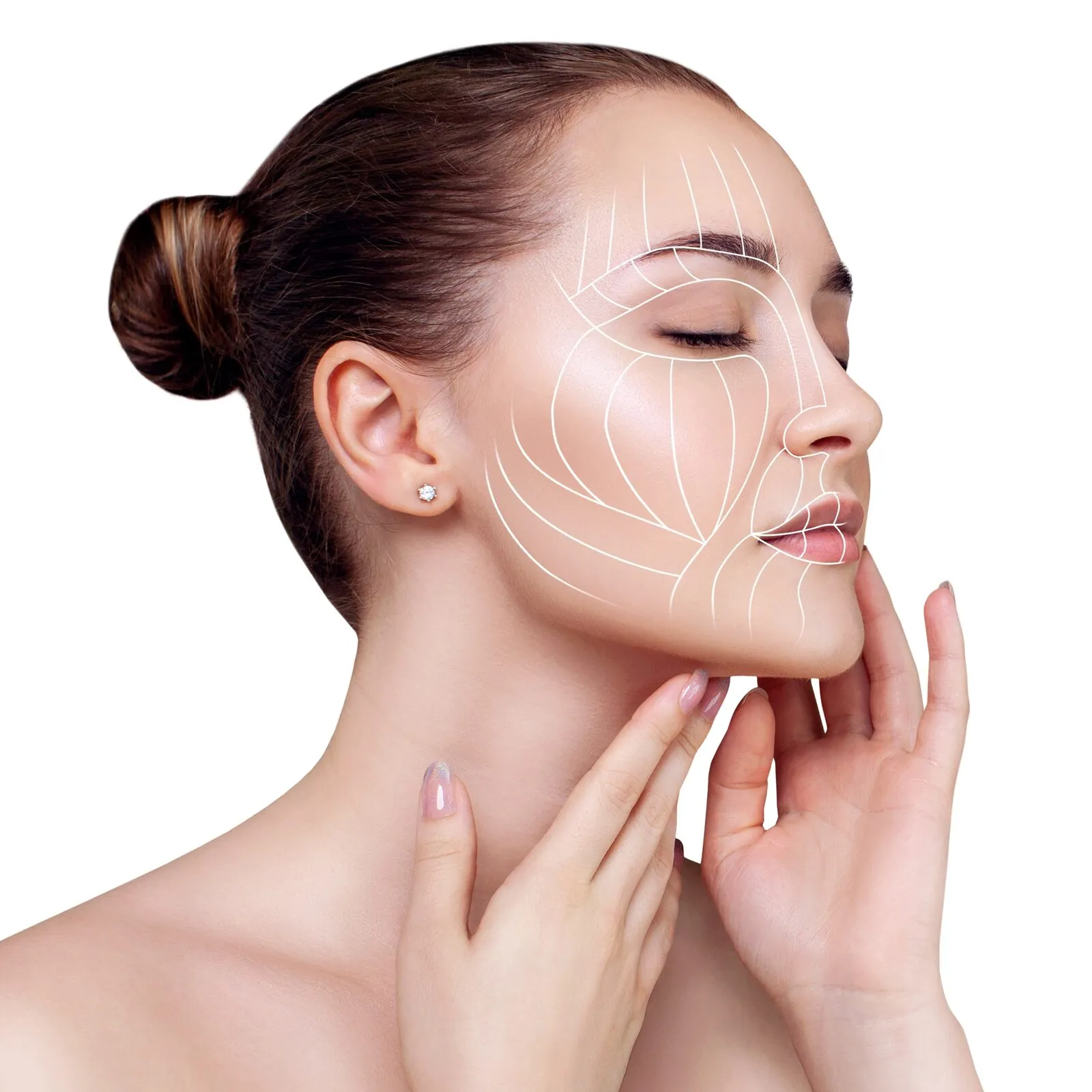
- Cheeks: restoring volume lost with age or weight change, and lifting the midface.
- Jawline and chin: improving definition and facial proportions.
- Under-eye (tear trough): softening hollowness and shadowing — a delicate area that needs careful assessment, as not everyone is a suitable candidate.
- Nasolabial folds and marionette lines: softening the lines from the nose to the mouth corners and below.
How long do fillers last?
There is no single answer, because longevity depends on the product, the area and the individual. As a general guide, HA fillers last somewhere between about six and eighteen months, and some products in low-movement areas can last longer.
- Lips usually fade fastest, because they move constantly when you talk and eat — often around six months to a year.
- Cheeks and chin, where firmer gels sit in low-movement areas, tend to last longer, often a year or more.
- Under-eye filler can last a long time because the area moves very little.
- Metabolism, exercise level, the amount of product and the specific filler used all play a role.
What to expect on the day
Many fillers contain a local anaesthetic, and numbing cream may be applied beforehand. Injection usually takes a short time. Afterwards, swelling, tenderness and bruising are common, especially in the lips, and usually settle over several days. The final result is best judged after about two weeks, once swelling has gone down.
Is filler safe?
HA fillers have a long track record and are generally considered safe when used correctly by trained medical professionals. Like any injectable, they carry risks. Most are minor and temporary — swelling, bruising, small lumps or asymmetry. The most serious but rare risk is a vascular occlusion, where filler blocks a blood vessel. This needs immediate recognition and treatment, which is why fillers should only be performed by a qualified medical injector who knows facial anatomy and has emergency medication on hand.
Can filler be dissolved?
One major advantage of hyaluronic acid fillers is that they can be dissolved using an enzyme called hyaluronidase. It can be used if you are unhappy with a result, if filler has moved or created a lump, or urgently in the case of a vascular complication. Dissolving is a medical procedure in its own right and should be carried out by a qualified practitioner. Non-HA or permanent fillers cannot be dissolved this way, which is one reason HA products are widely preferred.
How to choose a qualified injector
- Make sure the injector is a licensed medical professional working in a licensed clinic.
- Ask which product will be used and confirm it is an approved, genuine hyaluronic acid filler.
- Expect a proper consultation covering your medical history, goals and realistic outcomes.
- Ask how complications are managed and whether hyaluronidase is available on site.
- Be wary of very low-cost offers, home visits or treatments in non-medical settings.
Natural-looking results
A common worry is looking “overdone”. In most cases, unnatural results come from too much product, the wrong product for the area, or treating one feature without considering the whole face. A balanced approach often starts conservatively, respects your natural proportions and adds more only if needed at a review appointment. For lips in particular, a gradual approach usually gives a softer, more natural result than a large change in one session.
Aftercare after filler
- Avoid touching, pressing or massaging the area unless your practitioner instructs you to.
- Avoid strenuous exercise, saunas and heat for about 24 hours.
- Avoid makeup on injection points for the rest of the day.
- A cold compress can help with swelling; mild bruising usually fades within a week or so.
- Attend your review appointment, usually around two weeks after treatment.
Dermal fillers at Dr. Shaikha AlKubaisi Medical Center
At Dr. Shaikha AlKubaisi Medical Center in Al Duhail, Doha, our dermatology team, including Dr. Maisoon Mohammed Omar, Dermatology & Cosmetic Specialist, focuses on balanced, natural-looking results and careful assessment before any injection. Book your free first consultation to discuss whether fillers are right for you and which approach suits your face.
Frequently Asked Questions
How long does filler last?
Hyaluronic acid filler generally lasts around six to eighteen months depending on the area, the product and the individual. Lips tend to fade fastest, while cheeks and chin usually last longer.
How long does lip filler last?
Often around six months to a year, because the lips move constantly. Results vary with the product and your metabolism.
Can filler be dissolved?
Yes. Hyaluronic acid filler can be dissolved with an enzyme called hyaluronidase, given by a qualified practitioner.
How long does swelling last after lip filler?
Swelling and tenderness are usually most noticeable for the first few days and settle over about one to two weeks. The final result is judged after swelling goes down.
Is under-eye filler safe?
It can be, in suitable candidates treated by an experienced injector, but the area is delicate and not everyone is a good candidate. A careful assessment is essential.
Can I get filler while pregnant?
No. Fillers are generally postponed during pregnancy and breastfeeding.
Have questions about your case?
Book a consultation with our specialists in Al Duhail, Doha to find the treatment that suits you.
This article is for general information and does not replace a medical consultation. Suitability and results vary from person to person.